
Wildlife You Might See on a Galapagos Island Tour
The Galápagos Islands are one of the most extraordinary wildlife destinations on Earth. Due to their remote location and isolation from mainland continents, the islands have become home to species found nowhere else. We've been traveling to the Galápagos for many years, and on adventures like our Galápagos Unbound Signature tour the wildlife tend to steal the show.
Whether you’re kayaking, snorkeling, or exploring on foot, here’s a look at the incredible wildlife you might encounter—and how to find them.
Blue-Footed, Red-Footed & Nazca Boobies
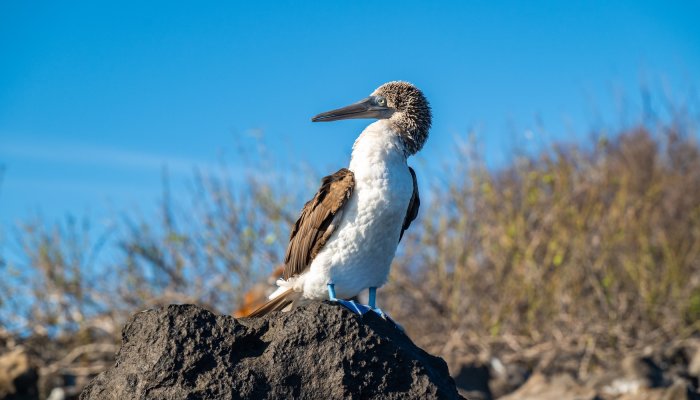
Few birds are as iconic or entertaining as the Galápagos boobies. These seabirds are full of personality, from flashy courtship dances to quirky nesting habits. Blue-footed boobies are perhaps the most distinctive, famous for their bright blue feet that males proudly display to attract a mate. The more colorful the feet, the more attractive the bird.
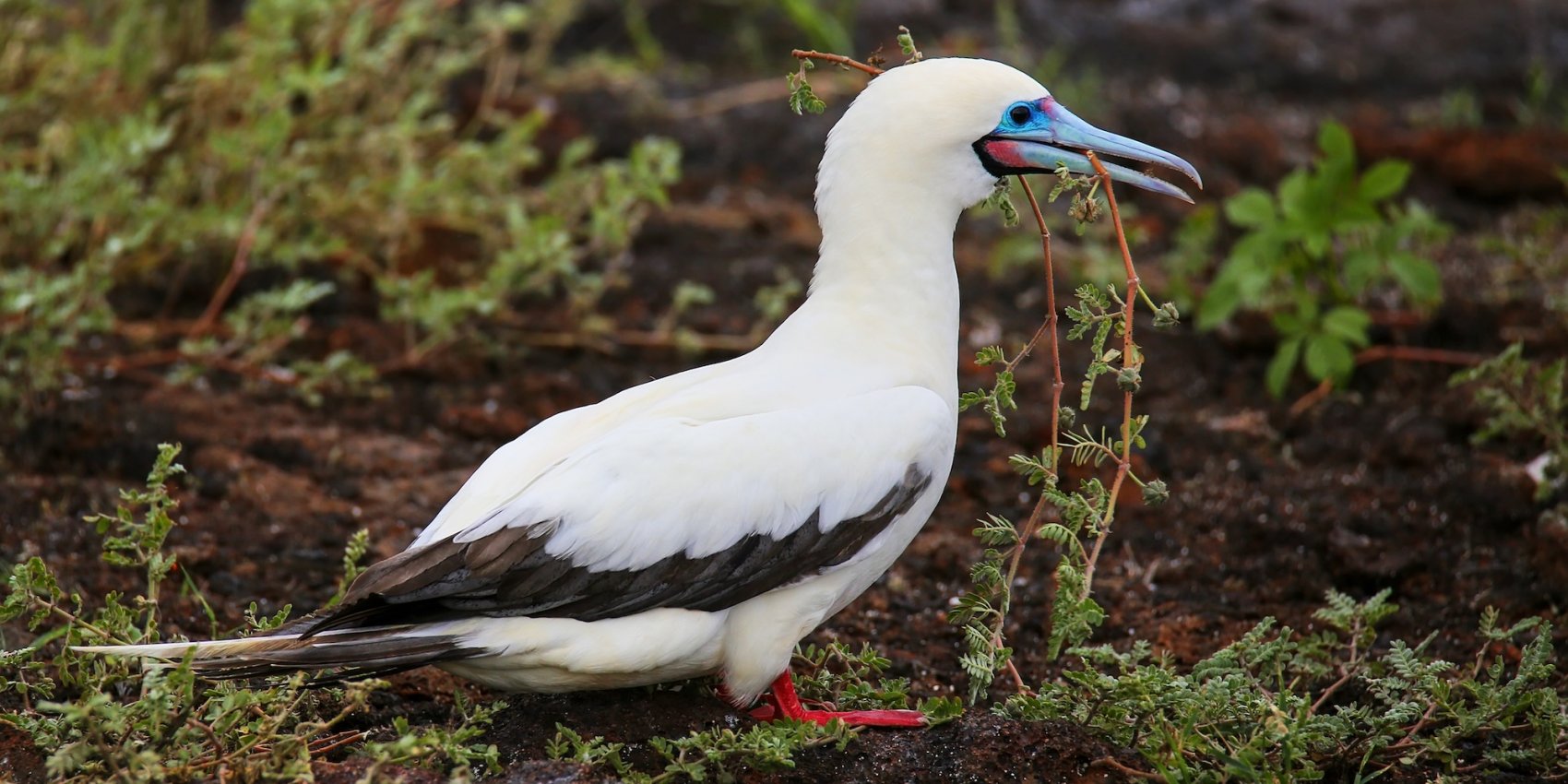
Red-footed boobies, on the other hand, nest in trees and are more elusive, often seen perched high above rather than on the ground. While nazca boobies are larger and more subtle in appearance, known for their dramatic ground-based courtship rituals.
Blue-footed and Nazca boobies are the most commonly seen in the Galapagos. Red-footed boobies are more numerous overall but less frequently spotted due to their habits. The best way to see them is by hiking coastal trails, exploring cliffs, or traveling by boat near nesting colonies.
Galápagos Penguins
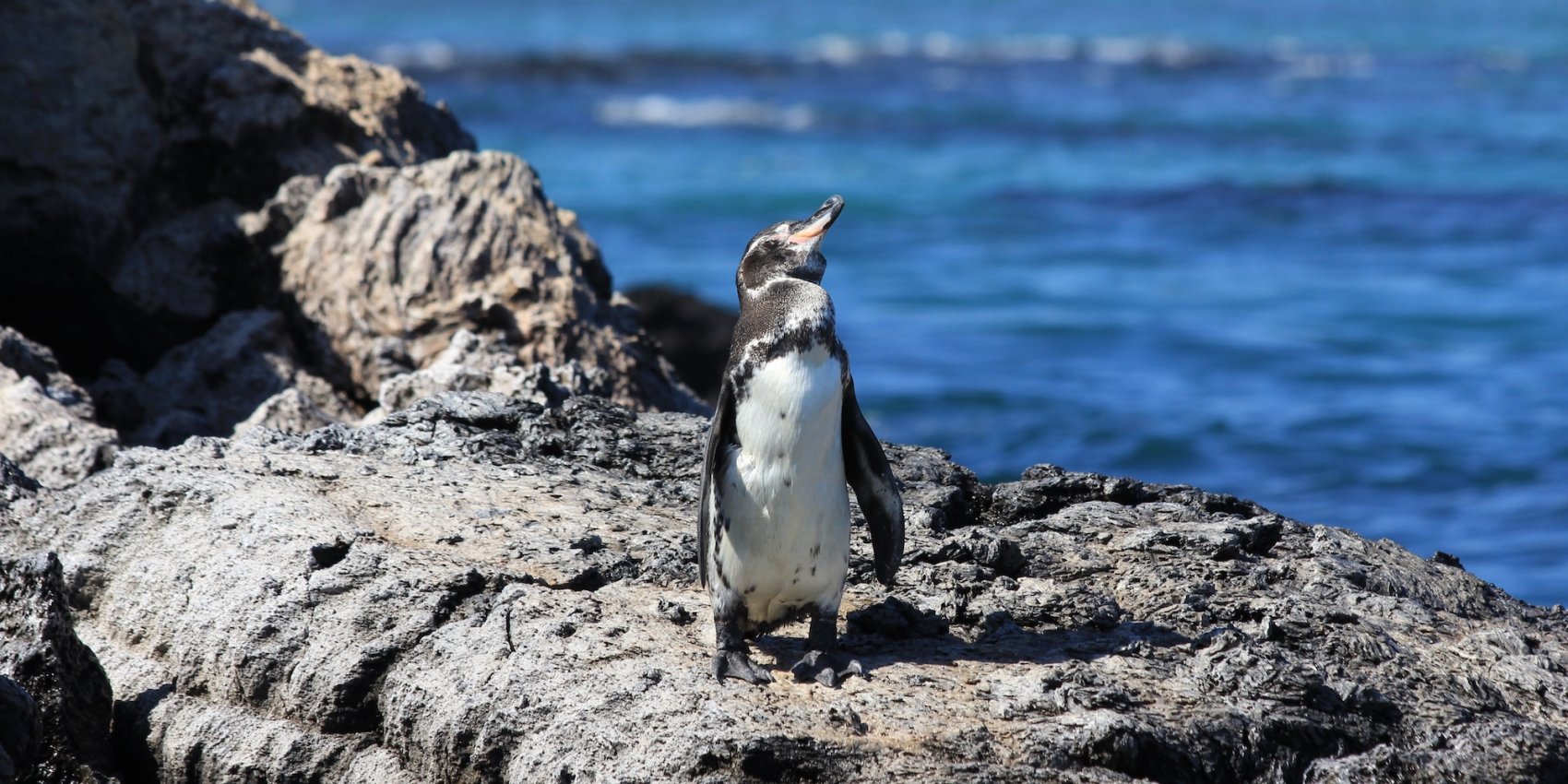
Yes, there are penguins at the equator! These birds depend on the nutrient-rich waters of the Humboldt and Cromwell Currents and nest in lava rock fissures and caves.
They’re also one of the rarest penguin species in the world, with populations impacted by events like El Niño. It’s incredibly rare, but possible to see the Galápagos penguins in the right areas. The best way to see them is by snorkeling or kayaking near Isabela and Fernandina Islands.
Unique Fish of the Galápagos
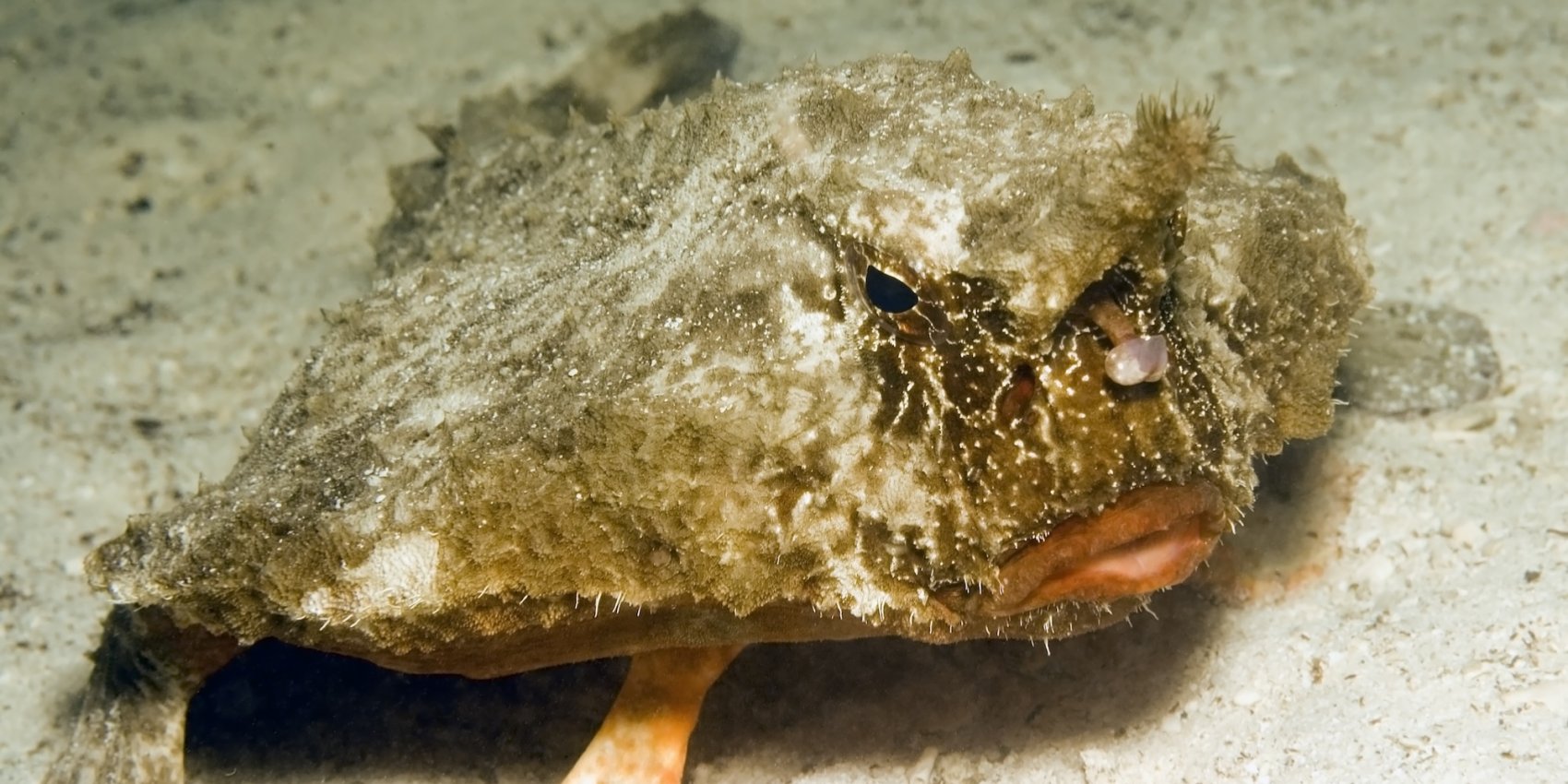
Beneath the surface, the Galápagos reveals some of the most amazing creatures in the world. The red-lipped batfish looks like it’s wearing lipstick and “walks” along the ocean floor using its fins.
The massive mola mola (ocean sunfish) is the largest bony fish in the world and drifts through the water in the Galapagos with its oddly shaped body and slow movements.
Batfish are uncommon and require some serious luck to spot. Mola molas are also rare but occasionally seen. The best way to see them is by snorkeling or diving in nutrient-rich waters.
Sharks of the Galápagos
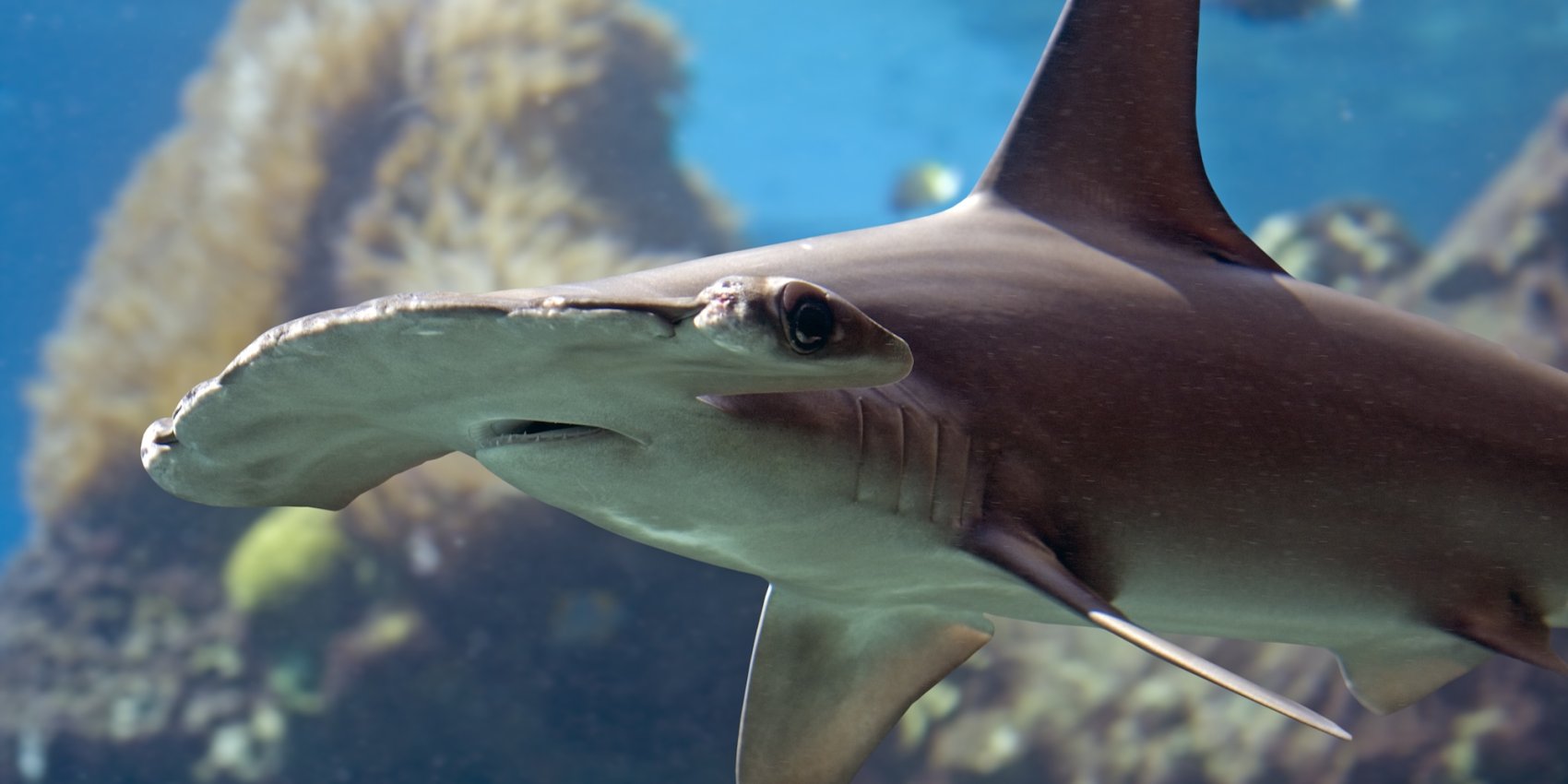
The Galápagos Marine Reserve is one of the largest in the world and a haven for sharks.
Scalloped hammerhead sharks are often seen schooling in large numbers near Wolf and Darwin Islands.
Whale sharks, the largest fish in the ocean, are found glide through these waters feeding on plankton. Whitetip reef sharks are more common and often spotted resting near reefs or cruising shallow waters. If you’re looking to witness sharks swimming in the Galapagos, whitetip reef sharks are the most common, and hammerheads are common in specific areas so you’ll need to plan accordingly. Whale sharks are rare but unforgettable if you get the chance to see one.
Giant Tortoises
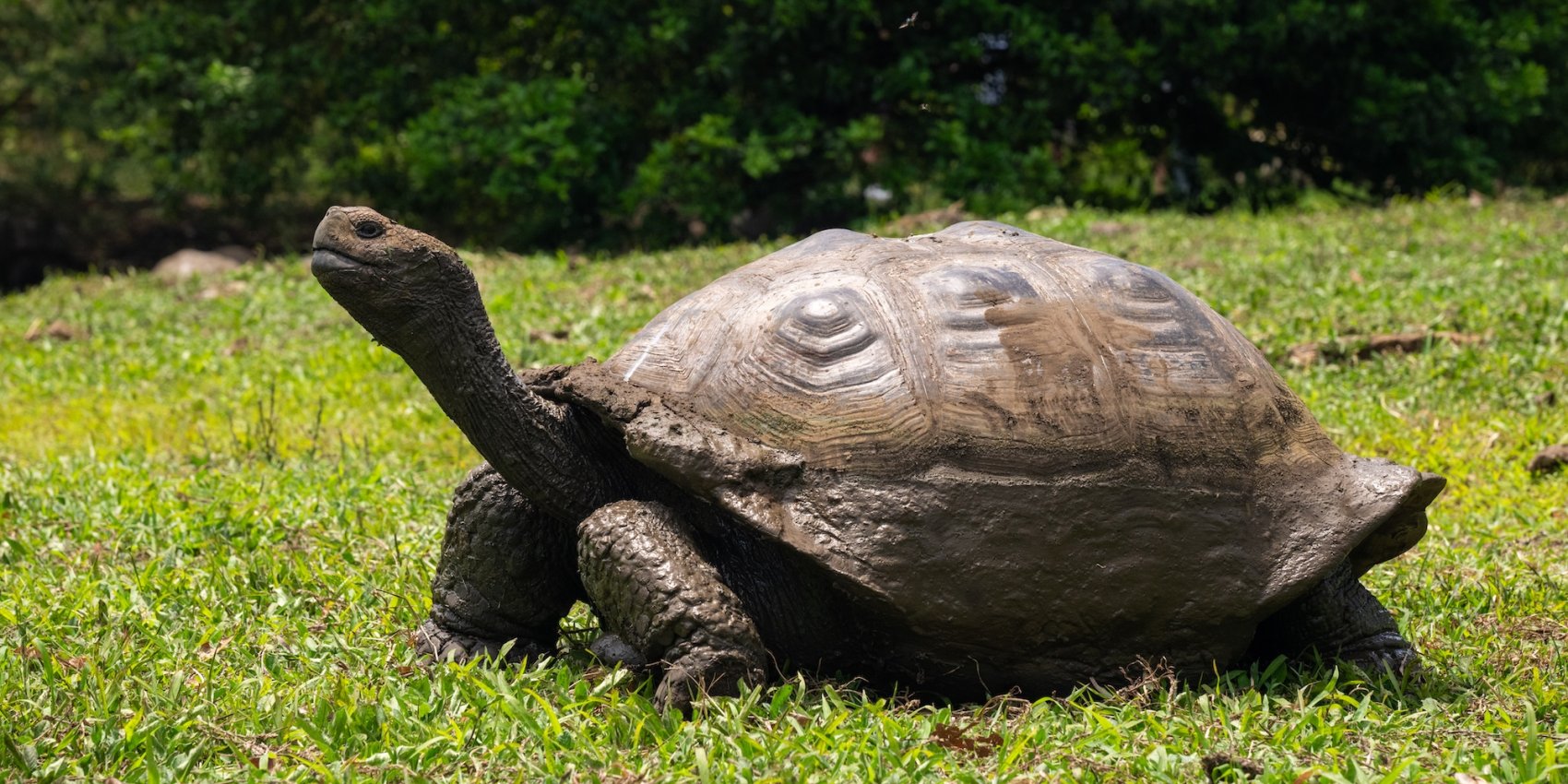
When it comes to wildlife in the islands, the giant tortoise is a true symbol of the Galápagos. Giant tortoises are the largest tortoises in the world with some reaching over 5 feet long and weighing up to 700 pounds!
These slow-moving giants gave the islands their name (“galápago” means saddle, referencing their shells). Once heavily exploited, conservation efforts have helped stabilize populations, though only 11 of the original 14 species remain.
It’s fairly common to see giant tortoises on certain islands and in protected reserves. The best way to come across them is by visiting a reserve, various land excursions, and guided hikes.
Marine Iguanas
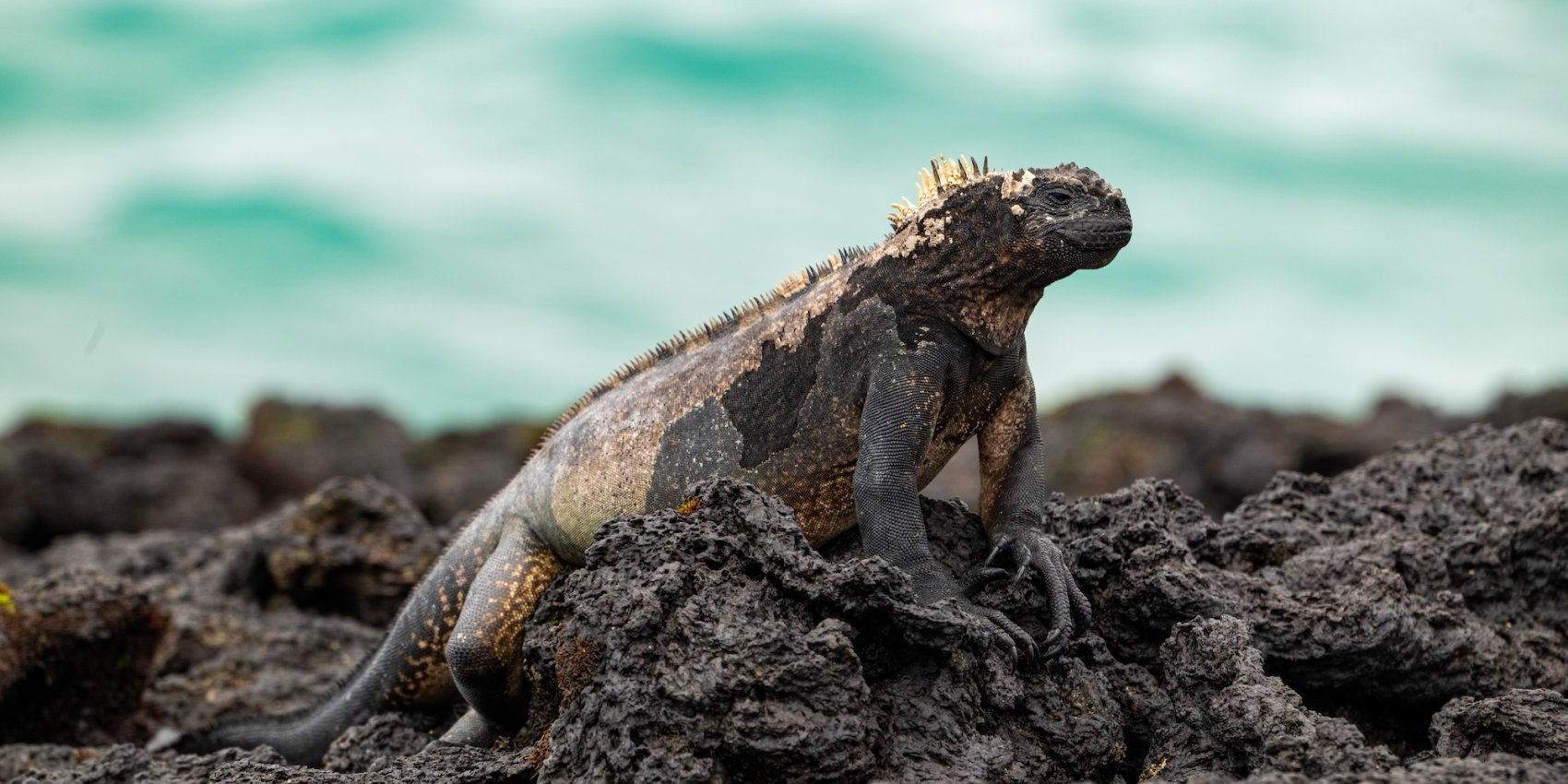
Found nowhere else on Earth, marine iguanas are the only lizards that forage in the sea. Often described (even by Darwin) as “clumsy” or “unsightly,” they are actually incredibly well adapted. They use their sharp claws to cling to rocks and their flat tails to swim like crocodiles. During mating season, some populations even display vibrant colors.
Marine iguanas are very common along the Galapagos coastlines, and the best way to see them is by going on coastal hikes, kayaking, or snorkeling near rocky shores.
Sea Turtles & Rays
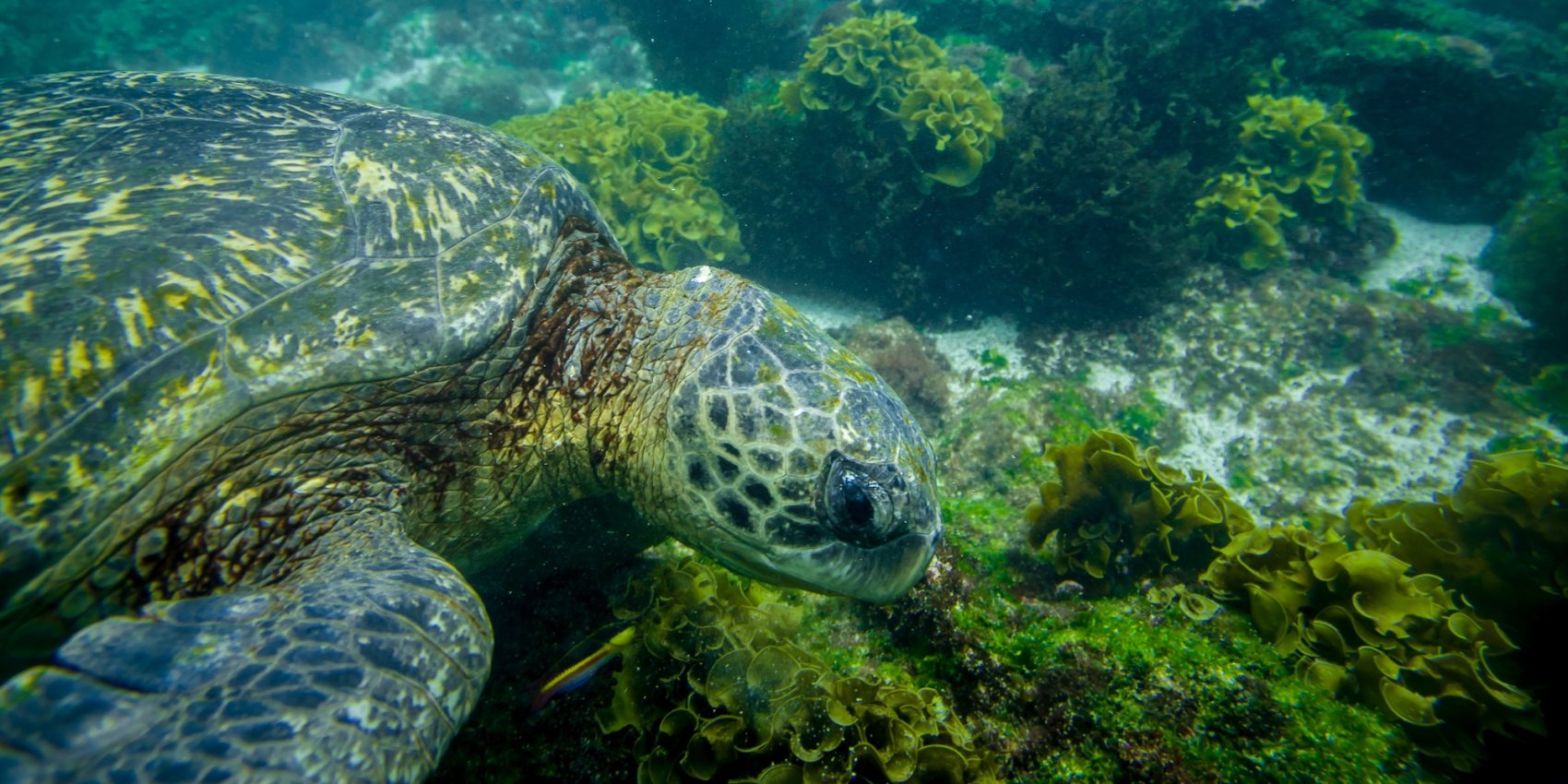
The waters of the Galápagos are home to many turtles and rays. Galápagos green turtles can be seen swimming through lagoons and nesting on protected beaches. Spotted eagle rays and golden rays are often spotted moving through shallow waters, often in large groups.
Sea turtles are commonly seen and rays are also fairly common in lagoons. The best way to see them is by snorkeling and kayaking in calm bays and coves.
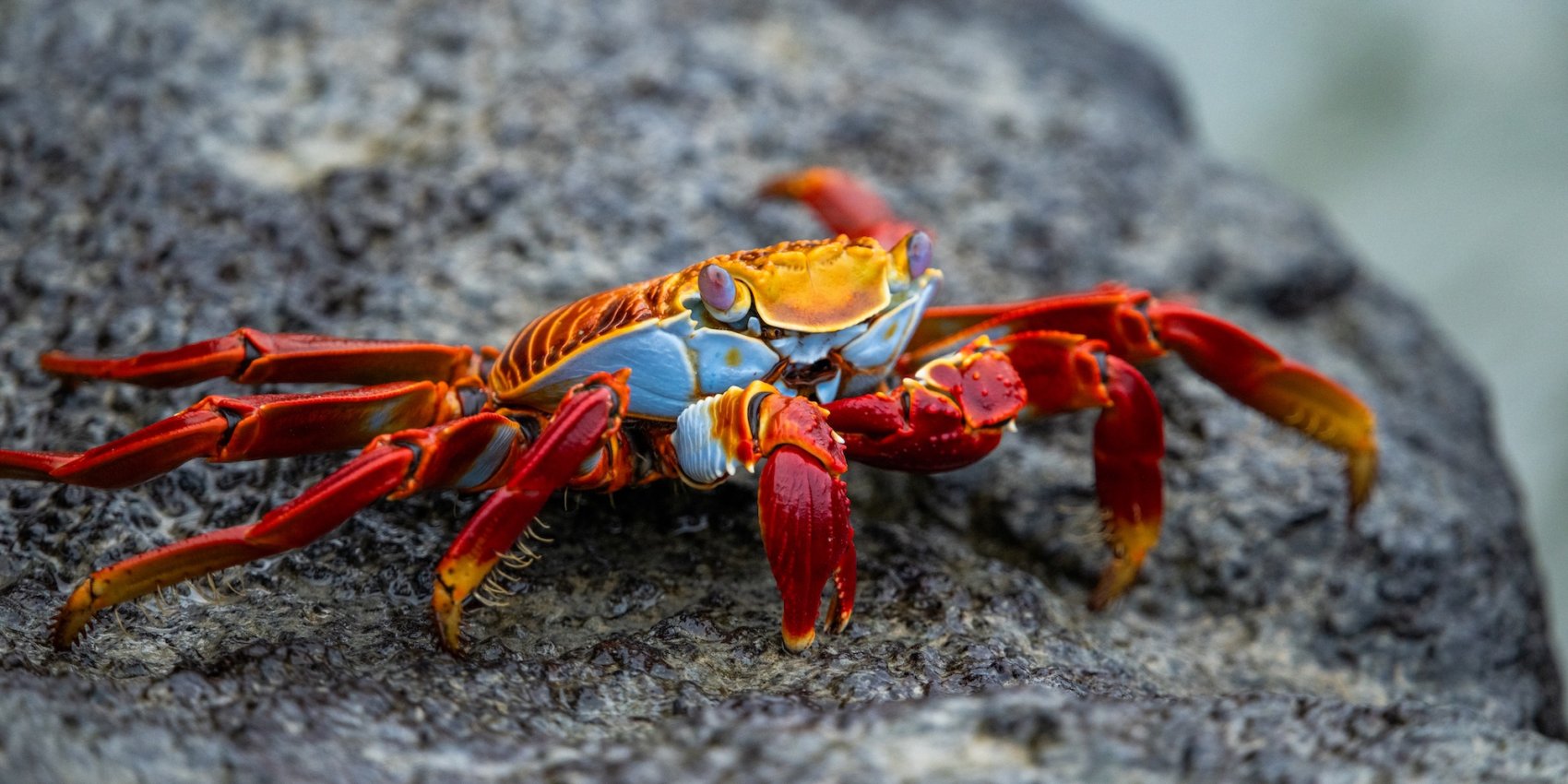
Crabs of the Shoreline
Even the shoreline is full of life here! The vibrant Sally Lightfoot crab creates a colorful contrast against black lava rock and is commonly seen darting along the coast. The more elusive ghost crab blends into sandy beaches and is often spotted by its tracks rather than the animal itself.
Sally Lightfoot crabs are very common, but ghost crabs are less visible and a real treat if you get to see one. If you’d like to spot some of these iconic crabs, you’ll need to go for some walks along the beaches and rocky shorelines.
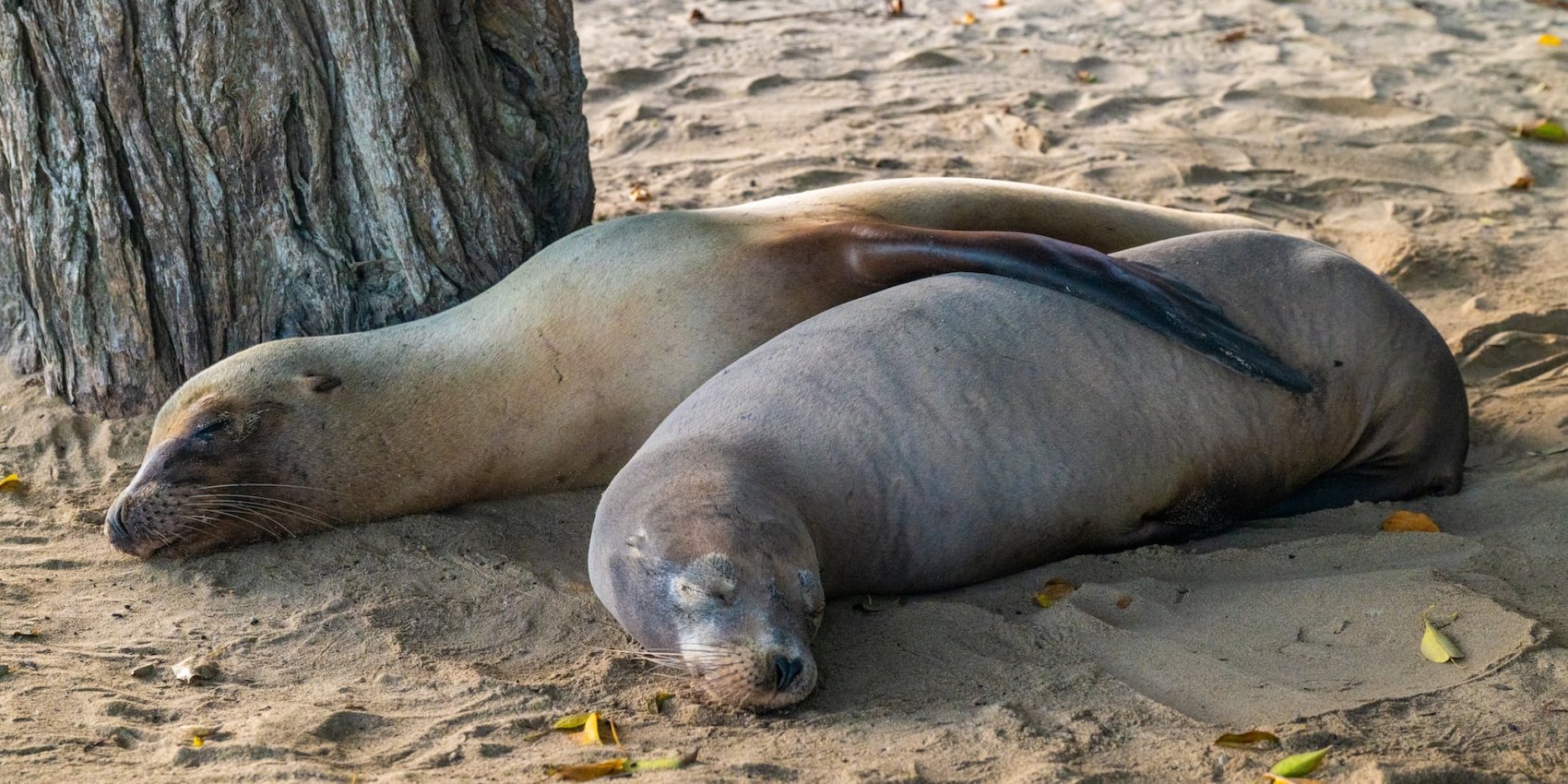
Sea Lions & Fur Seals
Playful, curious, and often the stars of the show, Galápagos sea lions are everywhere. They’re lounging on beaches, docks, and even right near you on the benches.
They live in social groups called harems, with dominant males defending territories. Nearby, the smaller and fluffier Galápagos fur seals prefer cooler, shaded, and more rugged coastlines.
Sea lions are extremely common while fur seals are less frequently seen, but can be spotted if you know where to go. The best way to see them is by snorkeling, kayaking, walking the beaches, and just keeping an eye out because they can truly be anywhere in the Galapagos!
A Place Like No Other
The Galápagos Islands are more than just a destination, they’re one of the last places on Earth where wildlife still thrives in a truly wild and relatively untouched ecosystem. From the smallest crab to the largest whale shark, every species plays a role in this delicate balance. Conservation here is essential to keep the wildlife thriving. The Galápagos Marine Reserve and ongoing restoration efforts help protect these species and ensure that future generations can experience this incredible place.
Keep in mind that when you visit on one of our Galápagos tours—whether by kayak, snorkel, or small-ship cruise—you’re not just observing wildlife. You’re stepping into an ecosystem that continues to inspire scientists, travelers, and adventurers alike. And while no wildlife sighting is guaranteed, that’s part of the magic. You never know what incredible encounter might be waiting just around the next bend.